How Much Bait for Carp? A Session-by-Session Guide
Start with less bait than the session can recover from
There is no universal amount of bait for carp. For a short session on an unknown UK lake, a single hookbait with a small handful of matching feed is a sensible start. Add more only when you see carp feeding, receive liners or bites, or know the venue supports a larger bed of bait. Stock, season, water temperature, nuisance fish, session length and how confidently carp are feeding matter far more than the size of the bucket.
The practical rule is feed to the evidence. You can introduce another handful in seconds. You cannot get the spod back and apologise to every boilie.
Our guide to the best carp baits helps choose the food. This guide handles the harder question: how much, when and in what pattern.
What changes the right quantity?
Fish stock and average size
A heavily stocked day-ticket water can process far more food than a low-stock estate lake. Ten actively feeding carp and a shoal of bream create a different demand from one cautious carp visiting a margin. Ask the fishery about stock and recent catches, but treat any exact population claim cautiously unless it comes from reliable management records.
Water temperature and season
Warm water generally supports more active feeding, while cold water slows carp and makes a large feed easier to overdo. In winter, one bright hookbait and a tiny bag or a few free offerings may be sufficient. Our winter carp guide explains why location and short feeding windows matter more than volume.
Summer does not automatically mean “empty the bag”. Very hot, still weather, low oxygen, angling pressure or a cold front can suppress feeding. Watch the fish and conditions, not the month printed on the bait receipt.
Natural food and nuisance species
Carp living over bloodworm, snails or hatches may ignore a large artificial feed. Bream, tench, roach, birds and crayfish may also consume bait. If nuisance species are clearing small pellets and particles, switching to a larger or harder hookbait can be more useful than feeding ever more.
Session length and revisit plans
A three-hour evening requires a different approach from several nights. Short sessions favour fast attraction and small, accurate parcels. Longer sessions create time to build a swim, but only after signs justify it. Regular prebaiting can establish familiarity, subject to rules, yet it should be measured and observed rather than treated as ceremonial bucket emptying.
Sensible starting points by session
These are conservative editorial starting points, not biological formulas or promises.
| Situation | A sensible opening move | When to add more |
|---|---|---|
| Cold short session | Single hookbait plus a tiny bag or several free baits | After a bite or clear feeding signs |
| Mild day session, unknown water | A small handful around each accurate hookbait | Liners, shows or a quick bite |
| Warm, stocked water | Two or three handfuls in a defined area | Fish are competing or bites continue |
| Long session | Start as for a day session and review after each event | Replenish what fish plausibly consumed |
| Margin stalking | A few samples first, then a compact handful | Only when visible fish eat confidently |
| Prebaiting | A modest amount placed consistently | Increase only after observation or captures |
A “handful” is deliberately imprecise because ten 20 mm boilies and a handful of micro pellets are not equivalent food packages. Think in terms of how many mouths are present and how quickly the feed is consumed, not a universal weight.
Match the feed pattern to the tactic
Tight baiting for one quick chance
A small PVA bag, stringer or compact spoonful around the hookbait creates a clear target. This suits short sessions, cold water and accurate fishing to a feature. It also lets you recast without committing the whole swim to one depth.
A wider spread for confidence
Scattered boilies make carp move between items, which can reduce their ability to inspect one hookbait for long. A throwing stick or catapult creates that pattern at suitable range. Keep the spread intentional; “roughly somewhere in the county” is not a baiting shape.
A carpet of small food
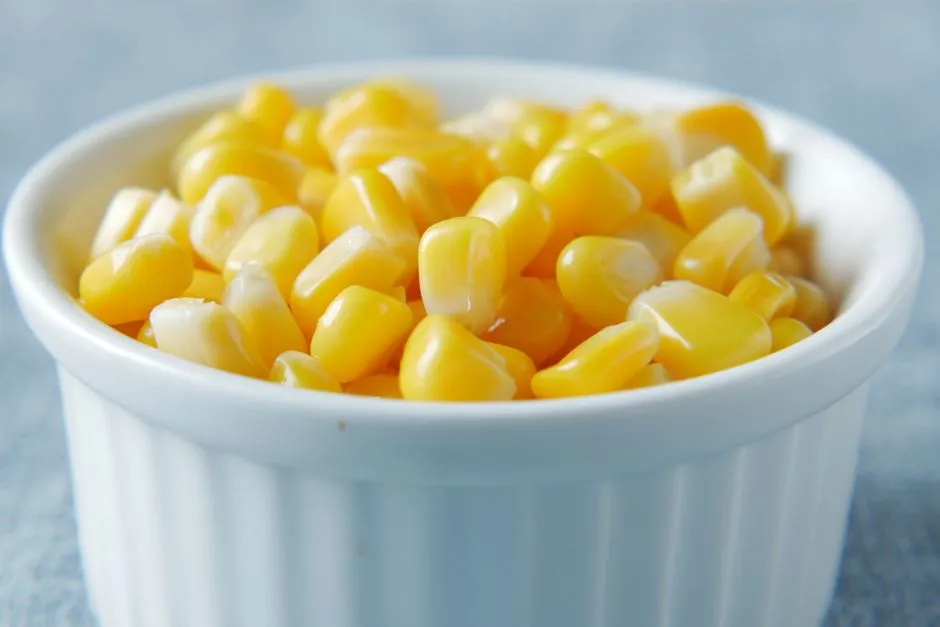
Pellets, hemp, sweetcorn and other particles encourage prolonged grubbing. This can be effective on stocked waters, but it attracts other species and can fill carp. All particles must be prepared safely, and venue rules take priority. Buy ready-prepared products if you are not fully confident; improperly prepared dried pulses, maize or nuts can harm fish.
A line of bait
A narrow trail from a patrol route toward the hookbait can work in margins or along a reed edge. Avoid spreading fish across multiple anglers' water or drawing them into snags. On busy venues, discreet accuracy is neighbourly as well as tactical.
Learn to read the response
Reasons to add bait include:
- a quick bite suggesting fish arrived together;
- repeated liners or shows over the spot;
- visible carp clearing the feed;
- nuisance fish activity followed by carp signs;
- a known feeding window beginning.
Reasons to stop include:
- no signs despite fish showing elsewhere;
- uneaten bait still visible in a margin;
- bites slowing immediately after a large top-up;
- falling temperature or worsening oxygen conditions;
- the session nearing its end;
- rules, bird activity or wildlife making further feeding unwise.
After a capture, do not automatically replace every grain you introduced. Estimate what was actually eaten. If you fed two handfuls and caught one fish within minutes, the rest may still be there. Top up lightly and let the next response inform the next decision.
Avoid the two opposite mistakes
Overfeeding
Too much bait can satisfy carp before they find the hookbait, spread fish beyond effective presentation or create a decaying surplus. The risk is higher in cold water, low-stock lakes and short sessions. Large baiting campaigns can work, but only where stock, conditions, rules and sustained observation support them.
Being afraid to feed
Some anglers remain on one hookbait despite a group of carp feeding aggressively. When bites are quick and fish are competing, additional bait can hold them and create another chance. Feed in steps rather than one dramatic commitment: a little, response, a little more.
This is why bait quantity is a decision loop, not a recipe.
Budget the feed before leaving home
Pack bait in separate session portions. Keep a reserve sealed in the car or bag so the presence of an open sack does not become a tactical argument. Take a mix that can scale: durable hookbaits, a small fast-attraction feed and perhaps a bulk option approved by the venue.
Do not prepare more perishable bait than you can store safely. Keep it away from heat, contamination and wildlife. Take leftovers home rather than depositing them in the lake or hedge.
Record what went in, when, weather, signs and bites. “About half a bucket” teaches very little. “Two handfuls at 08:00, one bite at 08:25, one handful after” creates a usable memory without pretending carp fishing is laboratory science.
Fish welfare still sets the ceiling
Fishery rules may restrict nuts, particles, floating bait, bait boats or total feed. Follow them. The owner sees cumulative pressure from every angler, while you see one swim for one day.
Never use spoiled bait, unprepared dried particles or excessive quantities simply to clear supplies. If fish appear distressed, stop fishing and report it to the venue. Significant fish deaths or distress in England should be reported through the Environment Agency's current channels; its 2026 fish-health guidance stresses early reporting and biosecurity.
Browse more bait guides for practical choices. The best quantity is not the largest amount you can deliver. It is the smallest amount that creates confident feeding, then earns the next handful.