Carp Care: Safe Landing, Unhooking, and Release
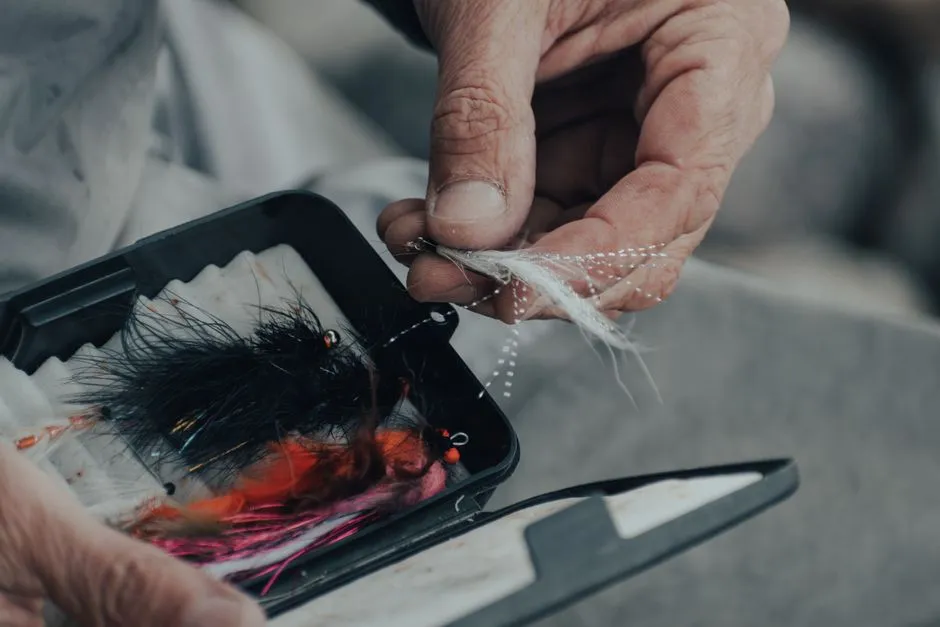
- Carp care begins before the cast
- Prepare a safe landing area
- Land the carp without dragging out the fight
- Secure the fish before moving it
- Unhook calmly and inspect the rig
- Hold a carp with support, not grip
- Weigh only when it adds something useful
- Return the fish with patience
- Report injury, distress and disease
- A bank-side carp-care sequence
Carp care begins before the cast
Safe carp handling means landing the fish without needless exhaustion, unhooking it on a large wet mat, supporting it low over that mat, keeping air exposure brief and returning it only when it can hold itself upright and swim strongly. The work starts before a bite: the net, mat or cradle, water, forceps, sling and camera should already be ready.
Fishery rules may set more specific requirements, including minimum mat or net sizes, retention limits and approved care products. Follow them. If you do not have the equipment or physical ability to handle the fish likely to be present, change the method or do not cast.
Our complete guide to catching carp covers the wider setup. This article stays with the fish from the take to release.
Prepare a safe landing area
Clear hooks, leads, stones, sticks and clutter from the working space. Put a suitably large padded unhooking mat or cradle on level ground close enough to the water for a short, safe transfer, but far enough from the edge that a flapping fish cannot reach it. Wet every surface that will touch the carp.
Have these within arm's reach:
- a large knotless landing net in sound condition;
- a wet unhooking mat or cradle with raised or protective sides;
- a bucket of clean lake water;
- long forceps and ordinary rig tools;
- a wet, fish-safe weigh sling if weighing is necessary;
- a camera already set up;
- any fishery-approved care item the rules require;
- a retaining sling only if allowed and you know how to use it.
Never use a dry towel to grip a carp. Fish skin and mucus form a protective barrier, and dry or rough material can damage it. Wet hands are the default; rings, watches and sharp clothing hardware should stay clear.
Land the carp without dragging out the fight
Use balanced tackle: strong enough to control the fish, not so heavy that hooks tear under brute force. Maintain steady pressure, adjust the rod angle around weed or obstacles and move when the bank allows. Do not lock the clutch and pull against a snag as though trying to start a lawnmower.
As the carp nears the net, keep the net still and draw the fish over the cord. Do not chase it with the mesh. Wait until the whole fish is above the net, then lift the frame enough to prevent escape. Avoid raising a carp from the water by the net handle; separate or roll the mesh carefully as the design allows, supporting the weight.
If the fish is heavily weeded, keep its head and gills in water while you work patiently. Do not reach into deep or fast water, and never put yourself at risk to save tackle.
Secure the fish before moving it
Once netted, let the carp settle while you organise the rod and line. Check that fins lie naturally against the body and are not folded through mesh. Remove the rod section or cut the line only when needed to make a safe transfer; do not drag lead and rod across the fish.
Gather the net around the carp without crushing it and support the fish from beneath. Carry it low and directly to the wet mat. On steep, slippery or distant banks, use a suitable wet sling rather than attempting an awkward net transfer. A second competent person can guide fins and equipment.
Never carry a carp by the gill covers, mouth, tail alone or net handle. Never stand upright holding it. The safest drop is the one that cannot happen because the fish remains inches above a padded surface.
Unhook calmly and inspect the rig
Keep the carp centred and contained. Kneel beside it rather than leaning over from standing. Wet the fish with lake water as needed, avoiding water poured directly into the gills. Covering the eyes lightly with a wet hand can help calm some fish, without pressing on them.
Trace the line to the hook. If the hook is visible and accessible, reduce tension and use forceps to reverse it along the entry path. Do not twist or pull harder when it resists. For an awkward, deep or multi-hook situation, seek experienced fishery help rather than attempting improvised surgery.
Hooks or line near the gills, eyes or deep throat require special care. Keep the fish wet, minimise handling and contact fishery staff immediately. Do not apply household antiseptic, glue, powder or medication. Use only a product and method explicitly approved by the fishery, and recognise that topical liquid cannot repair serious tissue damage.
Inspect the hook and rig after release. Discard a burred or opened hook, replace abraded line and correct the failure that caused tangling. Our hair-rig guide explains a simple presentation; every lead system must also allow the fish to shed the weight if the mainline breaks.
Hold a carp with support, not grip
Slide one wet hand under the pectoral area without entering the gills and the other beneath the rear of the body. Support the carp horizontally. Keep fingers away from the eyes and gill filaments, and do not squeeze the abdomen.
Lift only when the fish is calm, and remain kneeling low above the mat. If it tenses, lower it immediately and let it settle. Large carp are stronger and heavier than their serene photographs suggest. The correct response to a sudden kick is down, not tighter.
Photography should be prepared before lifting. Take a few frames, then return the fish to the mat or water. Do not repeat several poses, change lenses or wait for somebody to finish a phone call. A catch is not improved by turning its recovery into a committee meeting.
Weigh only when it adds something useful
Wet and zero the sling first. Place it flat on the mat, move the carp into it and ensure every fin lies against the body before closing or lifting. Attach scales to the designated straps, check all fastenings and lift only enough to obtain a stable reading over the mat.
Never weigh a carp by the landing net, jaw, gills or a lip-grip device. Do not suspend it high for a photograph. If the fish is small, stressed or already known, skipping the number is excellent carp care.
Retention should be exceptional, short and permitted. Use only a purpose-made, undamaged sling in adequate depth and oxygen, away from snags, boat traffic and direct heat. Follow venue limits. Never retain a visibly distressed or injured fish, and never leave one unattended.
Return the fish with patience
Carry the carp in a wet sling or supported net to a safe margin. Choose water deep enough to cover it without forcing you to wade dangerously. Face the fish into gentle clean flow where present, support it upright and allow water to pass naturally over the gills.
Do not push it rapidly back and forth. That can reverse normal water flow over the gills and add stress. Hold lightly until the carp maintains balance and tries to leave with purpose. A fish that rolls, sinks sideways or cannot hold position needs continued support and immediate fishery help.
In very warm weather, fish welfare may require shorter fights and handling, reduced retention or stopping altogether when the fishery closes or oxygen conditions are poor. In freezing weather, prevent contact with frozen ground. Venue management sees the whole water and has the final call.
Report injury, distress and disease
Tell the fishery about damaged mouths, tether rigs, lesions, unusual behaviour or repeated mortality. Note the location and take a quick documentary photograph only if it does not delay release or assistance. Do not diagnose disease from appearance or attempt treatment yourself.
The Environment Agency's current fish-health guidance tells anglers to report fish deaths or distress and stresses biosecurity. Follow current official reporting routes; suspicion of a listed disease must reach the Fish Health Inspectorate.
Dry or disinfect nets, mats, slings, boots and other wet equipment between waters according to venue guidance. Never move fish between venues. Disease can travel on damp kit without anybody doing anything visibly dramatic—which is rather the problem.
A bank-side carp-care sequence
Before casting: wet mat ready, net open, tools and water beside it, camera set. After the take: play firmly but steadily, net once, settle the fish. Transfer low, unhook carefully, support every lift, keep air time short, then return and wait for a strong departure.
Browse rigs and tackle for safety. Carp care is the responsibility that makes a catch worth repeating.